
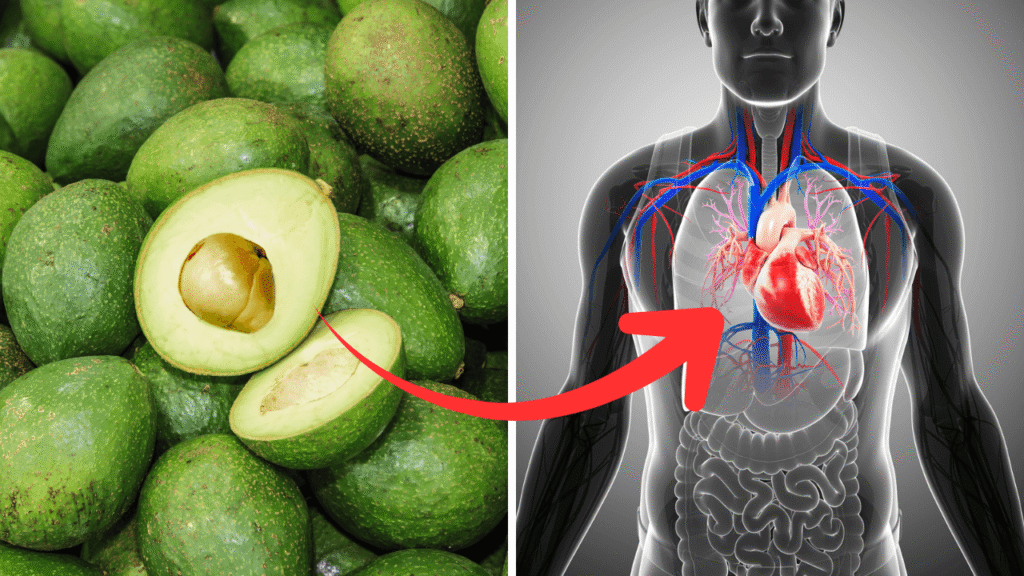
Curious about keeping your heart strong with simple foods? Learn how avocados support heart health with their rich nutrients, backed by studies. Get easy tips to add them to your meals and lower heart risks in a tasty way. Start today for a healthier you!
Imagine sitting down with a close friend who’s worried about their heart after a family member’s health scare. You want to help, right? We all want our hearts to keep beating strong, giving us energy for life’s big and small moments. That’s where avocados come in—a creamy, green fruit that’s more than just a tasty addition to your plate. I’ve seen how swapping in avocados for heavier foods can make you feel lighter and more confident about your health. Avocados support heart health in ways that are easy to understand and even easier to enjoy, no matter where you live or how busy you are. Let’s dive into why this fruit is a game-changer and how you can make it part of your day.
Avocados support heart health because they’re packed with good stuff your body loves, like healthy fats and fiber. Whether you’re in Brazil mashing them into a smoothie or in the U.S. spreading them on toast, this fruit fits into any kitchen. It’s not about fancy diets—it’s about simple choices that add up. In this article, we’ll walk through what makes avocados special, share real stories and studies, and give you practical ideas to try at home. Think of this as a friendly chat about a food that’s got your back, helping you feel stronger and more at ease about your heart’s future.
In This Post
What Are Avocados and Why Should You Care?
Avocados are those green, pear-shaped fruits with a bumpy skin that turn soft and creamy when ripe. They grow in warm places like Mexico, California, or even Australia, and they’ve been loved for thousands of years. Some call them “alligator pears” because of their rough look, but don’t let that fool you—they’re smooth and delicious inside. You’ve probably seen them in guacamole at parties or sliced on salads. They’re easy to find in stores, and with a little patience, they ripen perfectly on your counter in a few days.
Why do avocados matter? Because avocados support heart health in a way that feels effortless. Your heart works hard every day, and giving it the right foods is like filling a car with quality fuel—it runs better and lasts longer. If you’ve ever worried about heart problems, maybe because of family history or stress, avocados are a friendly way to ease those concerns. Studies with thousands of people over decades show that eating avocados regularly can lower your chances of heart issues. It’s not about big changes; it’s about adding a tasty fruit to your meals.
You might be thinking, “Aren’t avocados full of fat?” Yes, but it’s the good kind of fat that helps your body instead of hurting it. Imagine swapping out greasy chips for a bowl of avocado dip—it’s satisfying and kind to your heart. Avocados also bring fiber, which cleans out stuff that can clog your system, and potassium, which keeps things calm inside. From breakfast tacos to evening snacks, avocados fit into your life, making you feel good about what you’re eating without any stress.
How Avocados Support Heart Health: The Basics
Let’s talk about how avocados support heart health in a way that’s easy to grasp. Your heart is like the engine of your body, pumping blood to keep everything moving. It needs the right support to stay strong, especially as life gets hectic. Avocados come in with healthy fats—think of them as a gentle oil that keeps your body’s pipes clear. These fats, called monounsaturated, help your heart work smoothly without clogging things up. Eating avocados a few times a week can make a difference, and studies back this up.
One big study followed over 100,000 people for years and found that those who ate at least two servings of avocados weekly had up to a 21% lower risk of heart problems. That’s real evidence, not just a guess. Avocados support heart health by tackling bad cholesterol, the stuff that can build up and cause trouble. Picture your arteries as roads—avocados help keep them clear of junk, so blood flows freely. You don’t need to eat a ton; just a half or whole avocado here and there adds up to big benefits.
Beyond fats, avocados have potassium, which is like a calming friend for your blood pressure. High pressure can strain your heart, but potassium helps relax things. They also bring antioxidants, which protect your body from tiny damages over time. People in studies who swapped butter or mayo for avocado felt better and saw healthier numbers at checkups. It’s like giving your heart a little love with every bite, and it feels good to know you’re doing something positive.
The Nutrients That Make Avocados a Heart Hero
Avocados are like a treasure chest of nutrients that team up to help your heart. The star is their healthy fats—about 77% of an avocado’s calories come from these, but they’re the kind your body needs. These fats lower bad cholesterol (the stuff that clogs arteries) and boost good cholesterol (the kind that keeps things clean). Avocados support heart health by creating this balance, and it’s satisfying too—you feel full without overeating, which helps with weight.
Fiber is another big win, with one avocado giving you around 10 grams. That’s like a sponge soaking up extra cholesterol before it causes problems. Fiber also keeps your digestion smooth, which is connected to heart health in ways researchers are still learning about. Then there’s vitamin E, which acts like a shield, protecting your cells from wear and tear. If you’re always on the go, adding avocados to a sandwich or smoothie fills nutrient gaps in a way that feels natural and tasty.
Don’t sleep on folate and magnesium either. Folate helps blood flow better, while magnesium keeps your heart’s rhythm steady. Imagine eating an avocado salad instead of a heavy burger—you’re giving your body a break and a boost at the same time. For anyone juggling work, family, or stress, avocados support heart health without making you feel like you’re on a strict plan. It’s practical and doable, no matter your lifestyle.
Avocados and Cholesterol: A Winning Combo
Cholesterol can sound like a scary word, but it’s just something your body makes and gets from food. The goal is to keep the bad kind low and the good kind high. Avocados support heart health by helping with this balance. Their healthy fats push out harmful cholesterol while lifting the good stuff. In one study, people who ate an avocado a day saw their bad cholesterol drop, especially the oxidized kind that’s extra tough on your body. It’s like tidying up a messy room to make it work better.
Think of your arteries as pipes in a house—when they’re clear, everything flows smoothly. Bad cholesterol is like gunk that slows things down, but avocados act like a natural cleaner. Researchers tested this by having people eat avocados daily for months, and many ended up with healthier cholesterol levels. If you’re someone who loves creamy spreads but wants to avoid heavy fats, swapping in avocado is a no-brainer. It’s a small change that feels good and tastes even better.
Avocados also play nice with other foods. Eating them with veggies, like in a salad, helps your body soak up more nutrients from the meal. It’s like a team effort for your health. If you’ve ever felt sluggish after a big, greasy meal, try avocado-based dishes instead—you’ll notice the difference. Over time, these swaps can mean fewer worries about heart checkups, giving you more energy for the things you love.
Keeping Blood Pressure in Check with Avocados
Blood pressure is the force of blood pushing through your veins, and keeping it steady is key to a happy heart. Too much pressure is like a car engine revving too high—it wears out faster. Avocados support heart health with their potassium, which beats out even bananas. Potassium balances sodium, the stuff in salty snacks that can tighten your system. This balance keeps your heart from working too hard.
Picture starting your day with avocado on whole-grain toast instead of sugary cereal—it’s a gentle way to care for yourself. Studies show that people with more potassium in their diets have lower blood pressure, which cuts heart risks. Avocados make this easy and delicious, not like swallowing a boring pill. For busy folks—parents, workers, anyone really—this means less stress about health while handling life’s chaos.
Magnesium in avocados adds another layer, relaxing blood vessels so blood flows easier. If you love salty foods, like chips or fast food, avocados can counter that sodium overload. Whether you’re in a big city or a small town, adding avocados to your meals feels like a smart, friendly move. Over weeks, you might notice you feel calmer and stronger, ready to take on your day.
What Science Says About Avocados and Your Heart
Scientists have dug deep into avocados, and the results are exciting. A 30-year study with nurses and health workers showed that eating two avocado servings a week cut cardiovascular disease risk by 16%. That’s real people, not just lab numbers, showing how avocados support heart health. It’s proof you can trust, like hearing good advice from a friend. In fact, the article “Top 10 Foods for Heart Health” lists avocados as a top pick, highlighting their role in lowering heart disease risk alongside other nutrient-rich foods.
Another study had people eat one avocado daily, and while a 2025 trial found mixed results for some groups, most research confirms benefits like better cholesterol and lower heart risks. It’s about consistency—eating avocados regularly over time builds protection. Think of it like watering a plant little by little to help it grow strong. These studies cover people worldwide, so whether you’re in Asia or Europe, the perks apply.
Real folks in these studies shared how they felt more energetic and less anxious about their health. If you’re unsure, that’s okay—start with one avocado a week and see how it feels. The science is solid, but the real magic is how easy it is to make avocados part of your life. It’s a small step that feels empowering, knowing you’re helping your heart.
Adding Avocados to Your Meals Without Hassle
Bringing avocados into your meals is easier than you might think. For breakfast, try mashing half an avocado on toast with a sprinkle of salt and lemon—it’s quick and keeps you full. At lunch, toss slices into a salad with cucumbers and tomatoes; the creaminess means you can skip heavy dressings. Avocados support heart health while making meals tastier and more fun.
For snacks, blend avocado with berries and yogurt for a smoothie that’s like a treat but good for you. Dinners can shine with avocado in tacos, as a side with grilled chicken, or even stuffed with beans for a hearty bite. Want something sweet? Whip up a chocolate avocado mousse—it’s rich without the guilt. The key is mixing it up so eating healthy never feels boring.
If you’re on a budget, buy avocados in season or frozen—they last and save money. For families, get kids involved by letting them mash avocados for guacamole; it makes healthy eating a game. These small habits add up, supporting your heart without feeling like a chore. You’ll love how simple it is to feel better.
Are There Any Downsides to Avocados?
Avocados are awesome, but they do have calories, so portion control matters if you’re watching your weight. Half an avocado a day gives you benefits without going overboard. Some folks worry about allergies, though they’re rare—check if you’re sensitive to nuts, just in case. Ripeness can be tricky; too soft, and they go to waste, so plan your buys.
There’s also talk about sustainability, since avocados need water to grow. Choosing local or ethically sourced ones helps, and mixing with other fruits balances things out. If you’re new to avocados, start small to avoid tummy upset from the fiber. Avocados support heart health best when eaten mindfully, listening to your body’s needs.
For most people, the benefits far outweigh any cons. If you have health concerns, chat with a doctor, but avocados are generally a green light. They’re a practical way to care for your heart while enjoying food you love.
Avocados in Different Cultures: A Global Heart Helper
Avocados aren’t just a trend—they’re loved worldwide, and that’s no surprise. In Mexico, they’re the heart of guacamole, paired with chips or tacos. In Japan, you’ll find avocado slices in sushi rolls, adding creaminess that feels light. Avocados support heart health across cultures, fitting into meals from breakfast bowls in Australia to smoothies in Brazil.
This global love shows how versatile avocados are. In India, some blend them into spicy chutneys, while in Europe, they’re mashed onto rye bread for a hearty snack. No matter where you are, avocados adapt to your flavors, making it easy to add heart-friendly foods to your plate. It’s like a universal hug for your health.
Try exploring these styles yourself—maybe a Mexican-inspired avocado dip or an Asian-style avocado salad. It’s fun to experiment, and it keeps your meals exciting. Knowing people worldwide use avocados to support their hearts can inspire you to make them a regular part of your kitchen too.
Tips for Picking and Storing Avocados
Choosing the right avocado can feel like a small adventure. Look for ones that give slightly when you press gently—too hard means they’re not ripe, too soft means they’re overdone. If they’re not ready, pop them in a paper bag with an apple for a day or two to speed ripening. Avocados support heart health best when they’re fresh and creamy.
Storing them is simple. Keep unripe avocados on the counter, checking daily. Once ripe, move them to the fridge to slow things down—they’ll last a few days longer. If you only use half, sprinkle lemon juice on the leftover and wrap it tightly to keep it green. This way, you’re always ready to add heart-helping avocados to your meals.
If you buy in bulk, consider frozen avocado chunks for smoothies or dips—they’re just as nutritious. Planning ahead means less waste and more chances to enjoy avocados. It’s a small trick that makes healthy eating feel effortless and smart.
Wrapping It Up: Your Heart Deserves Avocados
We’ve explored how avocados support heart health, from their healthy fats and fiber to their potassium and antioxidants. These nutrients work together like a team, keeping your cholesterol in check, your blood pressure steady, and your arteries clear. You don’t need to overhaul your entire diet or spend hours in the kitchen. Just adding avocados a few times a week—whether on toast, in a salad, or blended into a smoothie—can make a real difference. It’s like planting small seeds for a stronger, healthier future, and the best part is how easy and tasty it is to stick with it.
Think about how good it feels to make choices that support your body without feeling like a chore. Avocados support heart health in a way that’s approachable, whether you’re a busy parent, a student, or just someone wanting to feel better. Share a bowl of guacamole with friends or try a new recipe with your family—it’s a way to connect and care for each other’s health. Studies show these small habits can lower your heart risks over time, giving you more energy for the things you love, from playing with your kids to exploring new places.
So, grab an avocado next time you’re at the store and give your heart a little love. It’s not about being perfect; it’s about making simple, smart moves that add up. Avocados support heart health while bringing joy to your meals, and that’s something worth celebrating. Thanks for joining me in this chat—here’s to stronger, happier days with avocados as your heart’s new best friend!
- Avocados support heart health with healthy fats, fiber, potassium, and antioxidants that keep your heart strong.
- Studies show two servings a week can cut heart disease risk by up to 21%.
- They lower bad cholesterol and raise good cholesterol, keeping arteries clear.
- Potassium in avocados helps manage blood pressure, reducing heart strain.
- Add avocados to toast, salads, smoothies, or tacos for easy, tasty benefits.
- Mind portions to balance calories, and choose ripe avocados to avoid waste.
- Loved worldwide, avocados fit into any culture’s meals, from guacamole to sushi.
- Store smartly and try frozen avocados to keep heart-healthy options handy.