
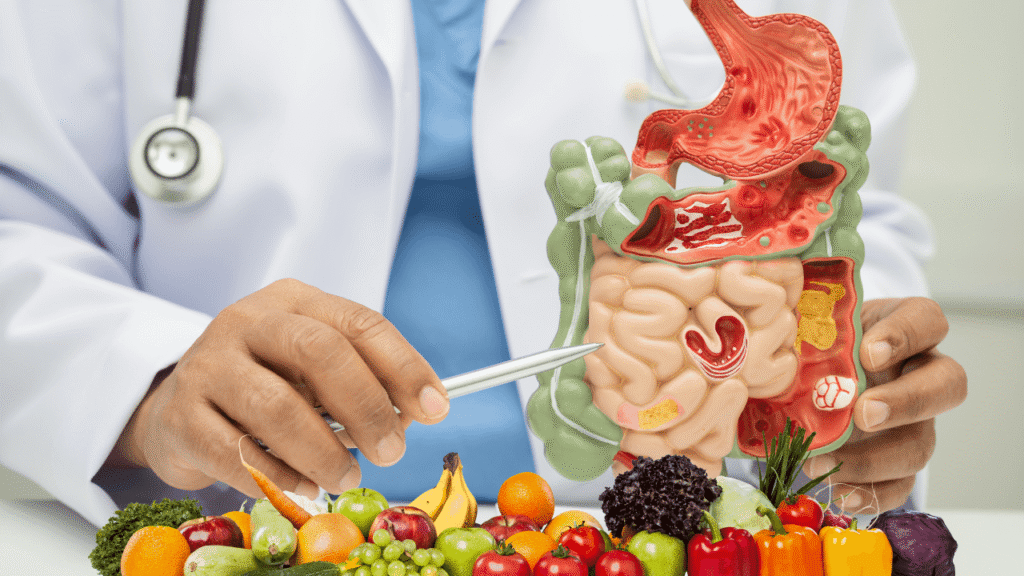
Have you ever finished a meal and felt like your stomach was staging a protest? That heavy, bloated feeling can make you want to skip dinner altogether. I’ve been there, wishing I could just feel normal again. The good news? You can help your body out by choosing the right foods for digestive health. It’s like giving your gut a big, warm hug with every bite. This article is like sitting down with a friend who’s got your back, sharing practical tips to make your tummy troubles a thing of the past.
Foods for digestive health are simple, everyday options you can find in any grocery store. Think juicy fruits, hearty grains, or even a creamy spoonful of yogurt. You don’t need to overhaul your life or follow a complicated diet. It’s about small, doable changes that fit into your day, like swapping chips for a crunchy apple. Imagine eating your favorite meals without that uncomfortable aftermath, feeling light and ready to take on the world. That’s what we’re aiming for here.
In this guide, we’ll walk through foods that can gently support your gut, making digestion smoother and your days brighter. It’s not about quick fixes but building habits that stick, like adding a new veggie to your plate each week. By the end, you’ll have a toolbox of ideas to try, helping you feel better from the inside out, one delicious bite at a time.
In This Post
Why Your Gut Health Matters
Your gut is like the control center of your body, quietly working to turn food into energy. When it’s happy, you feel it everywhere – more energy, better mood, even clearer skin. But when it’s off, you might deal with bloating, tiredness, or that “ugh” feeling after eating. Choosing foods for digestive health is like tuning up your car to keep it running smoothly.
Think of your stomach as a garden. With the right care – good water, sunlight, and soil – it thrives. But neglect it, and weeds like discomfort or sluggishness pop up. Foods for digestive health act like that water and sunlight, nourishing your system naturally. They help keep things moving, so you’re not stuck feeling heavy or out of sorts after meals.
Building a healthy gut doesn’t mean giving up your favorite foods. It’s about adding in the good stuff, like a handful of berries or a bowl of oats, to balance things out. Over time, these choices become second nature, and you’ll notice you’re not just eating to fill up but to feel great. It’s a small shift that brings big rewards.
The Power of Fiber in Foods for Digestive Health
Fiber is like the unsung hero of foods for digestive health. It’s in things like fruits, veggies, and grains, helping your gut stay regular and happy. Imagine it as a broom that sweeps through your system, keeping everything clean and moving along. You don’t need to eat buckets of it – just enough to make a difference.
Start with something simple, like an apple or a slice of whole-grain bread. These foods for digestive health add bulk to your meals, making digestion easier and preventing that stuck feeling. Plus, they keep you full longer, so you’re less likely to grab snacks that might upset your stomach. Try adding one high-fiber food to each meal, and you’ll feel the change.
Don’t worry if your body takes a bit to adjust to more fiber – that’s normal. Drink plenty of water to help it do its job, and go slow if you’re new to it. Over a few weeks, your gut will thank you, feeling lighter and more balanced, like a well-oiled machine ready for the day.
Fruits That Love Your Gut
Fruits are nature’s gift when it comes to foods for digestive health. They’re sweet, juicy, and packed with stuff that helps your stomach stay calm and efficient. Picture grabbing a banana on your way out the door or snacking on berries during a break – it’s easy and feels like a treat.
Bananas are gentle and kind to your gut, especially when it’s feeling off. They’re like a soft blanket, soothing things down and giving you energy without a crash. Slice one into your morning cereal or blend it into a smoothie for a quick, gut-friendly boost. They’re a go-to for keeping things steady.
Berries, like strawberries, blueberries, or raspberries, are tiny powerhouses. They’re full of fiber and natural compounds that support your gut’s good bacteria. Sprinkle them on yogurt or eat them by the handful – they’re a fun, colorful way to add foods for digestive health to your routine, making every bite a step toward feeling better.
Vegetables to Keep Things Moving
Veggies are like the reliable teammates in the world of foods for digestive health. They bring fiber, water, and nutrients that help your gut work smoothly. Even if you’re not a veggie fan, there are easy ways to make them tasty, like roasting carrots or tossing spinach into a smoothie.
Carrots are sweet and crunchy, perfect for snacking or adding to meals. They help keep your digestion regular, like a steady drumbeat in your day. Grate them into salads, roast them with a little olive oil, or dip them in hummus – they’re versatile and keep your gut happy without much effort.
Broccoli is another gem, with its quirky tree-like shape. It’s packed with fiber that supports your gut’s good bacteria, helping everything flow better. Steam it lightly or add it to stir-fries for a meal that feels nourishing and light. These veggies are simple ways to boost your intake of foods for digestive health.
Probiotics: Your Gut’s Best Friends
Probiotics are like tiny cheerleaders for your gut, found in foods like yogurt and kefir. These foods for digestive health bring in helpful bacteria that keep your system balanced, fighting off the bad stuff that can cause discomfort. It’s like inviting friendly guests to a party in your belly.
Plain yogurt is a classic choice, creamy and easy to love. Go for one without tons of sugar, and mix in some fruit or a drizzle of honey for flavor. Eating it regularly helps build a strong gut, so you’re less likely to feel bloated or sluggish. It’s a small habit that makes a big difference over time.
Kefir is like yogurt’s tangier cousin, perfect for drinking or blending into smoothies. It’s loaded with diverse probiotics that strengthen your gut’s defenses. Try it as a breakfast drink or a mid-day refresh – it’s a simple way to add foods for digestive health that feel like a treat while doing good work inside.
Fermented Foods for Gut Balance
Fermented foods might sound a bit unusual, but they’re just regular foods with a special twist, like sauerkraut or kimchi. These foods for digestive health are packed with good bacteria that help your gut stay diverse and strong, like a well-tended garden full of different plants.
Sauerkraut, made from fermented cabbage, is tangy and adds a zesty kick to meals. A small scoop on a sandwich or as a side can introduce helpful bacteria to your gut, keeping things balanced. It’s an easy way to sneak in foods for digestive health without changing your routine too much.
Kimchi, a spicy Korean staple, is another fermented favorite. It’s made from veggies like cabbage and radishes, with a bold flavor that wakes up your taste buds. Add it to rice bowls or eat it alone – it’s a fun way to support your gut. These foods for digestive health bring variety and resilience to your system, helping you feel your best.
Whole Grains for Steady Digestion
Whole grains are like the steady backbone of foods for digestive health, giving your gut the structure it needs to work smoothly. Think of oats or brown rice as the rhythm section of a band, keeping everything in sync without stealing the show. They’re filling and gentle, perfect for any meal.
Oats are a cozy way to start your day, especially in a warm bowl of oatmeal. They’re rich in fiber that helps your digestion stay regular, like a gentle push to keep things moving. Top with some fruit or nuts, and you’ve got a breakfast that’s kind to your gut and keeps you satisfied.
Brown rice has a nutty flavor and a chewy texture that pairs well with almost anything. It’s a great swap for white rice, adding more fiber to support your gut’s rhythm. Use it in stir-fries or as a side, and you’ll notice how it helps you feel balanced, making it a staple in foods for digestive health.
Lean Proteins and Healthy Fats for Gut Support
Not all proteins are equal when it comes to foods for digestive health. Lean options like fish or chicken are easier on your stomach than heavy, greasy meats. They provide the building blocks your body needs without weighing you down, keeping your gut happy and your energy steady.
Salmon is a fantastic choice, flaky and mild, packed with nutrients that support your whole system. Grill or bake it with some herbs, and pair it with veggies for a meal that feels light yet satisfying. It’s a great way to add foods for digestive health that nourish without causing discomfort.
Avocados bring healthy fats that act like a lubricant for your gut, helping everything move smoothly. Their creamy texture is perfect on toast, in salads, or even blended into dips. Adding these fats to your diet is a delicious way to support your digestive health, leaving you feeling comfortable and energized.
Spices and Herbs to Soothe Your Gut
Some spices and herbs are like secret helpers in the world of foods for digestive health. They add flavor and can calm your stomach at the same time. Ginger, for instance, is like a warm friend who knows just how to make you feel better when your tummy’s upset.
Grate some fresh ginger into tea or stir it into soups for a gentle, warming effect. It helps ease digestion and can settle things down if you’re feeling queasy. It’s an easy addition to your meals, making it one of those foods for digestive health that’s both practical and tasty.
Mint is another star, with its fresh, cooling vibe. Add a few leaves to water or brew it as tea after meals to relax your gut. It’s like a breath of fresh air for your insides, helping reduce tension and keep things flowing. These small additions can make a big impact on your digestive comfort.
Hydration and Its Role in Digestion
Water might not be a “food,” but it’s a key player in foods for digestive health. Staying hydrated helps your gut process everything smoothly, like oil in an engine. Without enough water, even the best foods can’t do their job properly, leaving you feeling sluggish or stuck.
Aim to sip water throughout the day, not just when you’re thirsty. Pair it with high-fiber foods for digestive health, like fruits and grains, to help them move through your system. A glass of water with meals or a reusable bottle by your side makes it easy to stay on track.
If plain water feels boring, add a slice of lemon or cucumber for a little flair. It’s a simple habit that supports your gut’s hard work, making every bite of those foods for digestive health more effective. Over time, you’ll notice how much lighter and more energized you feel.
How to Make These Foods Part of Your Life
Adding foods for digestive health to your routine doesn’t have to feel like a chore. It’s about small, friendly changes, like tossing some berries into your breakfast or swapping white bread for whole-grain. Think of it as sprinkling a little extra care into your day, building habits that stick.
Try meal prepping to make things easier – cook a big batch of brown rice or chop veggies for the week. This way, gut-friendly foods are ready when you need them, so you’re not tempted by less helpful snacks. It’s like setting yourself up for success without extra effort.
Listen to your body as you go. If a new food feels great, keep it in rotation. If something doesn’t sit right, try another option from the list. It’s your journey, so make it fun and flexible, letting foods for digestive health become a natural part of your life.
Overcoming Common Challenges
Switching to foods for digestive health can sometimes come with a few bumps, like extra gas or bloating at first. That’s just your gut getting used to the new team players. Start slow, maybe with one new food every few days, and drink plenty of water to ease the transition.
If you have sensitivities, like to certain fruits or veggies, don’t worry – there are plenty of options. Swap citrus for berries or try cooked veggies instead of raw if they’re easier on you. The key is finding what works for your body while still enjoying the benefits of foods for digestive health.
Consistency is your friend here. Stick with it, and those initial hiccups will fade, leaving you with a gut that feels stronger and more balanced. It’s about giving yourself time and patience, knowing each small step is building toward better days.
Gut Health Myths to Ignore
There are some myths out there about foods for digestive health that can trip you up. For example, some people think you need to cut out all carbs to have a healthy gut, but that’s not true. Whole grains like oats and brown rice are actually great for keeping things moving smoothly.
Another myth is that you need expensive supplements to support your gut. In reality, simple foods for digestive health, like yogurt, fruits, and veggies, can do wonders without breaking the bank. Stick to natural, everyday options, and you’ll see results without the hype.
Don’t fall for quick-fix diets that promise a perfect gut overnight. Real change comes from steady, small choices, like adding more fiber or probiotics to your meals. Trust the process, and your body will show you what works best over time.
Combining Foods for Maximum Benefit
Pairing foods for digestive health can make them even more effective, like a team working together. For example, combine yogurt with berries for a double dose of probiotics and fiber. It’s a tasty mix that supports your gut while keeping meals interesting and satisfying.
Try whole grains like brown rice with lean proteins like fish or chicken for a balanced plate. This combo gives your gut the fiber it needs to stay regular and the nutrients to stay strong. It’s like building a meal that’s both delicious and functional.
Experiment with different pairings to find what you love. Maybe avocado on whole-grain toast or a smoothie with kefir and spinach. These combinations make foods for digestive health fun to eat while boosting their impact, helping you feel your best every day.
Conclusion
You’ve now got a treasure chest of foods for digestive health to explore, from vibrant fruits to hearty grains and soothing herbs. Each one is like a little helper, working to make your gut stronger and your days more comfortable. It’s not about turning your life upside down but about weaving these choices into your routine, like adding a splash of color to a familiar picture. Start with one or two favorites, and watch how they transform the way you feel, bite by bite.
Picture yourself a month from now, enjoying meals without that heavy, bloated feeling, maybe even noticing more energy or a brighter mood. That’s the magic of foods for digestive health – they’re simple, natural, and powerful. It’s like building a friendship with your body, listening to what it needs and responding with care. Keep it flexible, try new things, and let these foods become your partners in feeling great every day.
Thanks for joining me on this journey to a happier gut. It’s not about perfection but progress, and every small step counts. Here’s to lighter meals, brighter days, and a gut that’s got your back, ready to support you through whatever comes next. Keep eating well, and enjoy the difference it makes!
- Fiber-rich foods like oats and apples keep digestion smooth and regular.
- Fruits such as bananas and berries soothe and energize your gut naturally.
- Vegetables like carrots and broccoli add bulk and nutrients for steady digestion.
- Probiotic foods like yogurt and kefir support a balanced gut with good bacteria.
- Fermented options like sauerkraut and kimchi bring diversity and strength to your system.
- Whole grains such as brown rice provide structure for consistent digestion.
- Lean proteins like salmon and healthy fats like avocado nourish without heaviness.
- Spices like ginger and mint calm and ease your digestive process.
- Stay hydrated to help foods for digestive health work their magic.
- Start slow, listen to your body, and make small changes for lasting gut health.